

Ss. Cyril and Methodius University in Skopje, Faculty of Electrical Engineering and IT
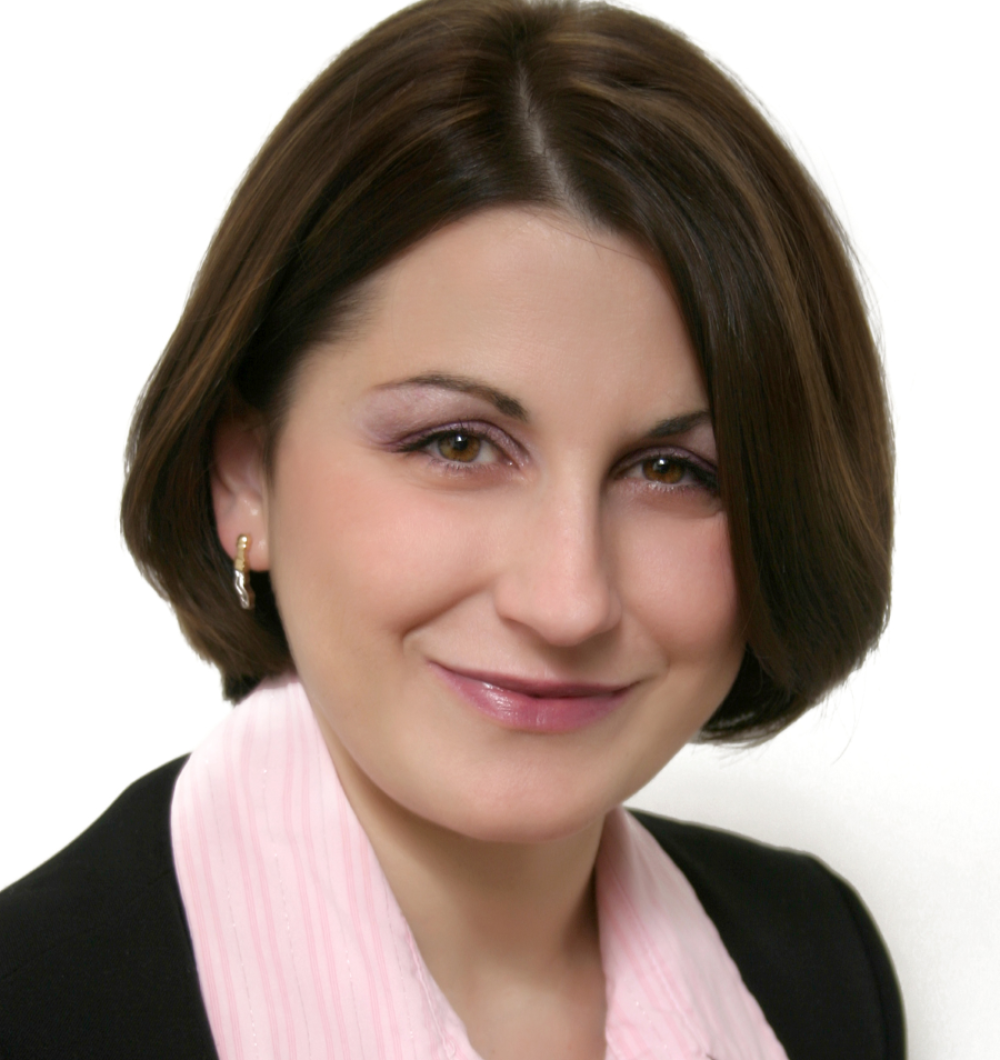
Prof. dr Marija Čundeva-Blajer
Metrology 5.0 and Quality Infrastructure Sustainability for Resilient Power Systems of the Future
Kratak sadržaj
The Quality Infrastructure (QI) is a fundamental pillar for economic development, environmental protection, and social well-being. This also addresses the power systems, which resilience is strongly dependent of periodical conformity assessment against various regulation norms as well as a wide range of technical standards, enabled by the participating organizations within the QI. Central to this infrastructure are laboratories and inspection bodies, i.e. conformity assessment bodies (CABs), which ensure compliance and conformity through metrology, standardization, and accreditation. The contribution explores the critical transition toward sustainable QI in service of resilient power systems of the future. The CABs sustainability is defined as the practice of designing and operating facilities to minimize environmental impact while maintaining human safety and economic viability. A core component of the research is a holistic methodology designed to evaluate a CAB’s maturity regarding the United Nations Sustainable Development Goals (SDGs). This approach utilizes a circular gap analysis to assess current practices against global sustainability targets. Key evaluation metrics include energy and water consumption, waste production, and the level of sustainability awareness among personnel, all in balance with the long-term economic sustainability of the CAB on the market, which is a prerogative for resilient conformity assessment services to the power systems. Furthermore, the methodology integrates risk-based thinking and Failure Mode and Effects Analysis (FMEA) to identify opportunities for improvement within the quality assurance framework of EN ISO/IEC 17025:2017. The paper presents an innovative strategic approach for achieving improved sustainability practices within the Laboratory for Electrical Measurements (LEM) at Ss. Cyril and Methodius University in Skopje, an accredited calibration laboratory in the field of electrical quantities, electrical energy and power. A systematic evaluation of LEM’s existing strategic documents, including the Quality Policy and Quality Manual, was conducted against the UN Sustainable Development Goals (SDGs) using the EU SDG Mapper toolkit. Initial analysis revealed that the evident gaps against the measurable targets of the UN SDGs. Therefore, a thorough revision of LEM’s strategic documents and procedures was undertaken to align them with the three aspects of QI sustainability: environmental, social, and governance. An effectiveness review of the revised documents, demonstrate a significant improvement in LEM’s contribution to a wider range of UN SDGs. This innovative approach, integrating ISO/IEC 17025:2017 quality assurance with a focus on UN SDGs, supports LEM’s strategic evolution towards Metrology 5.0 and long-term sustainability. The presentation also highlights the role of CABs sustainability in the broader transition from Industry 4.0 to Industry 5.0, emphasizing the „re-humanization“ of automation and the emergence of Metrology 5.0. The proposed methodology is universal and can be applied at various CABs in the quality infrastructure conducting compliance services for the power systems.
Ključne reči: quality infrastructure, CABs sustainability, resiliant power systems, UN SDG, ISO 17025
Biografija predavača
Dr Marija Čundeva-Blajer je redovna profesorka na Univerzitetu “Sv. Kirila i Metodija” u Skoplju, Fakultet elektrotehnike i informacionih tehnologija u Skoplju, Severna Makedonija, rukovodilac Laboratorije za električna merenja (akreditovana kalibraciona laboratorija prema EN ISO/IEC 17025:2017). Ona je profesor na dodiplomskim, magisterskim i doktorskim studijama iz oblasti električnih merenja, materijala, metrologije i upravljanja kvalitetom. Ima više od 30 godina radnog iskustva u oblastima metrologije i elektrotehnike. Angažovana je kao vodeći i tehnički ocenjivač u akreditaciji tela za ocenjivanje usaglašenosti prema standardima ISO 17020 i ISO 17025. M. Čundeva-Blajer je bila koordinator ili glavni istraživač u više od 35 naučnih projekata i učestvovala je u istraživačko-razvojnim projektima za industriju. Ona je ekspert EURAMET-a, EACEA-e, Eurolab-a i UNIDO-a. M. Čundeva-Blajer je učestvovala i prezentovala originalne naučne doprinose i radove na više od 110 međunarodnih kongresa i simpozijuma, autorka je više od 160 radova objavljenih u recenziranim naučnim publikacijama i više od 750 tehničkih radova/izveštaja, kao i preko 15 univerzitetskih knjiga i spisa, iz oblasti elektrotehnike i energetike, instrumentacije, metrologije i nauke o kvalitetu.