

Nikola Tesla Institute
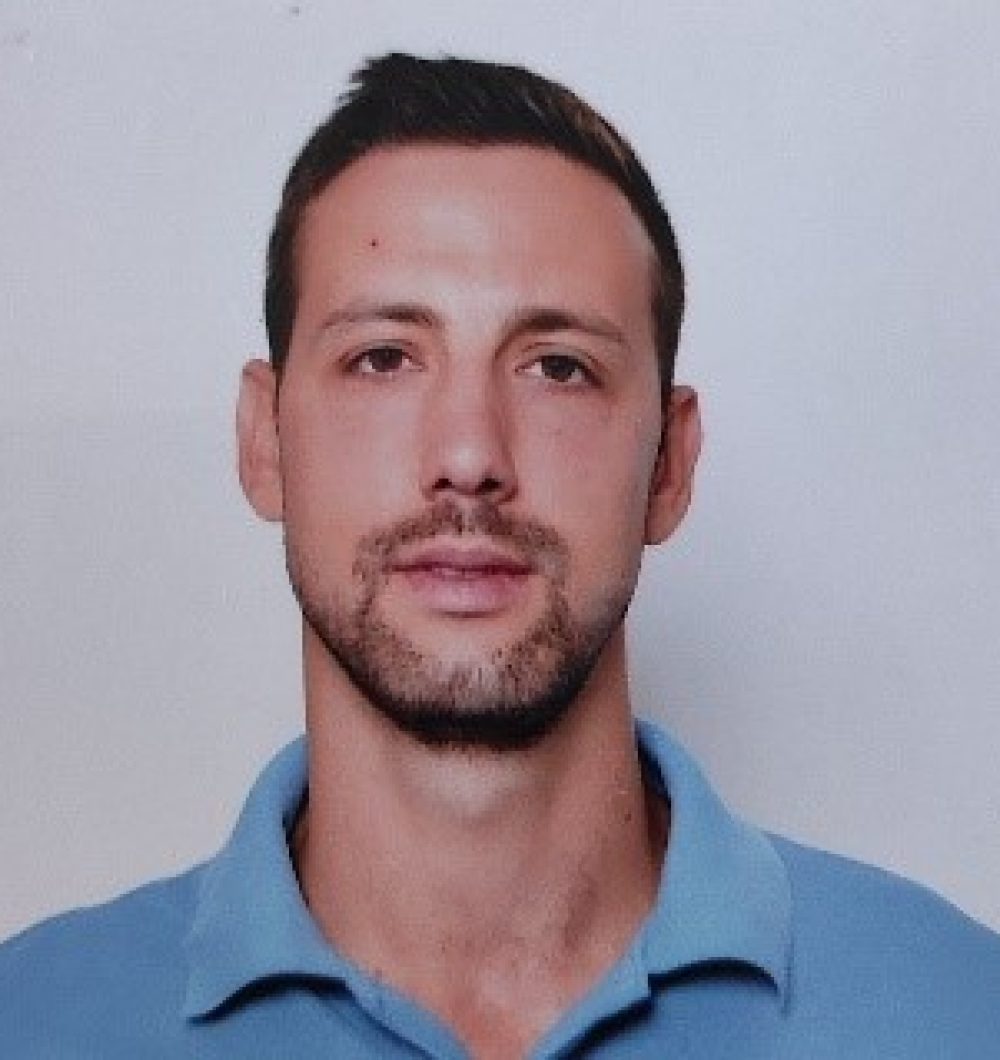
Dr. Ilija Klasnić
Socially and Environmentally harmonized HYDRopower Operations - SE-HYDRO
Abstract
Hydropower is still the linchpin of the European renewable energy sector, supplying virtually one third of renewable electricity and essential flexibility services. But its future is ever more threatened by environmental degradation, social opposition, and global competition. SE-HYDRO tackles this twin challenge through the development and validation of environmentally and socially inclusive solutions that increase hydropower flexibility without loss of biodiversity or societal confidence. The project pioneers an integrated framework that brings together societal readiness methodologies, environment and hydrological screening tools, AI-based energy management schemes, and cutting-edge turbine utilization approaches, all tested through digital copies of four prototype European hydropower plant sites in Greece, France, Portugal, and Serbia. These four pilots that cover run-of-river, reservoir, cascades, as well as intake-tunnel small plant technologies offer varied testbeds for eco-flexible operation, biodiversity-integrated management, and stakeholder participation. Through co-development with operators, policymakers, local populations, and NGOs, SE-HYDRO instils societal legitimization and speeds up uptake. Its nine Key Exploitable Results offer practical pathways—from new business models to biodiversity-inclusive water management approaches to a European replication and export roadmap. Combined, they underpin Europe’s technological excellence and competitiveness, while instilling hydropower in the wider transition to climate resilience, ecosystem restoration, and societal readiness. SE-HYDRO also addresses one of the most pressing barriers facing the hydropower sector today: the lack of harmonized approaches for balancing energy generation with ecological preservation and community acceptance. By integrating interdisciplinary expertise from engineering, environmental sciences, digital technologies, economics, and social sciences, the project creates a holistic innovation ecosystem capable of supporting the long-term sustainability of hydropower across Europe. The consortium combines leading research organizations, industrial partners, hydropower operators, and public stakeholders to ensure that all developed solutions are technically robust, socially acceptable, and economically feasible. A central aspect of the project is the use of digital twins and predictive analytics that allow operators to evaluate multiple operational scenarios in real time while considering hydrological variability, climate-related risks, energy market demands, and biodiversity constraints. This approach improves decision-making capacity and supports adaptive management strategies that can respond to increasingly uncertain environmental and economic conditions. The project additionally explores methods for reducing turbine-related fish mortality, improving sediment management, and optimizing water use efficiency without compromising electricity production or grid stability. SE-HYDRO contributes directly to major European policy objectives, including the European Green Deal, the Renewable Energy Directive, the EU Biodiversity Strategy, and the Climate Adaptation Strategy. By strengthening the compatibility between renewable energy deployment and ecosystem protection, the project supports a just and resilient energy transition that benefits both people and nature. The knowledge generated throughout the project will be disseminated through policy recommendations, technical guidelines, training activities, and open stakeholder engagement platforms, ensuring broad accessibility and long-term impact beyond the project duration. Ultimately, SE-HYDRO aims to redefine the role of hydropower in Europe by demonstrating that renewable energy systems can become more flexible, efficient, and climate resilient while simultaneously enhancing environmental stewardship and societal trust. In doing so, the project lays the foundation for a new generation of hydropower operations that are not only technologically advanced, but also environmentally responsible and socially inclusive. The project will furthermore strengthen European industrial leadership by supporting market-ready innovations with high replication potential across different geographical and regulatory contexts. SE-HYDRO results are expected to contribute to improved investment confidence, enhanced public engagement practices, and stronger cross-border cooperation in sustainable hydropower operations. By fostering knowledge exchange between pilot regions, the project encourages the transfer of operational models and accelerates the uptake of harmonized hydropower technologies across Europe. In doing so, SE-HYDRO lays strong foundations for a new generation of sustainable hydropower facilities within Europe’s future development.
Keywords: Eco-flexible hydropower, Biodiversity protection, AI-driven dispatch, Societal readiness, Water-energy-ecosystem nexus, Energy digitalisation, Renewable energy
Biography of the presenter
Ilija Klasnić completed his bachelor studies in 2012 at the Faculty of Electrical Engineering, University of Belgrade, Department of Power Converters and Drives. He completed master academic studies in 2013 and successfully defended his doctoral dissertation titled “Estimation and Prediction of the Hydrogenerator Rotor Thermal Capability and Influence on the Reactive Power Capabilities” on September 29th, 2023, at the Faculty of Electrical Engineering, University of Belgrade. Since February 2013, he has been employed at the Nikola Tesla Institute of Electrical Engineering in Belgrade, where he has been engaged in the design and commissioning of excitation systems of synchronous generators, site acceptance and performance testing of rotating electrical machines, testing of power converters, consulting services in the field of power engineering, and thermal modeling of synchronous generators. He is the author or co-author of several papers published in journals with an impact factor and at national and international conferences. He received the award for the best paper by a young researcher in the Power Engineering section at the 58th ETRAN Conference. He serves as the secretary of the Study Committee STK A1 Rotating Electrical Machines within CIGRE Serbia, as well as a regular member of the STK A1 Rotating Electrical Machines within International CIGRE.