

Research on Energetic System S.p.A
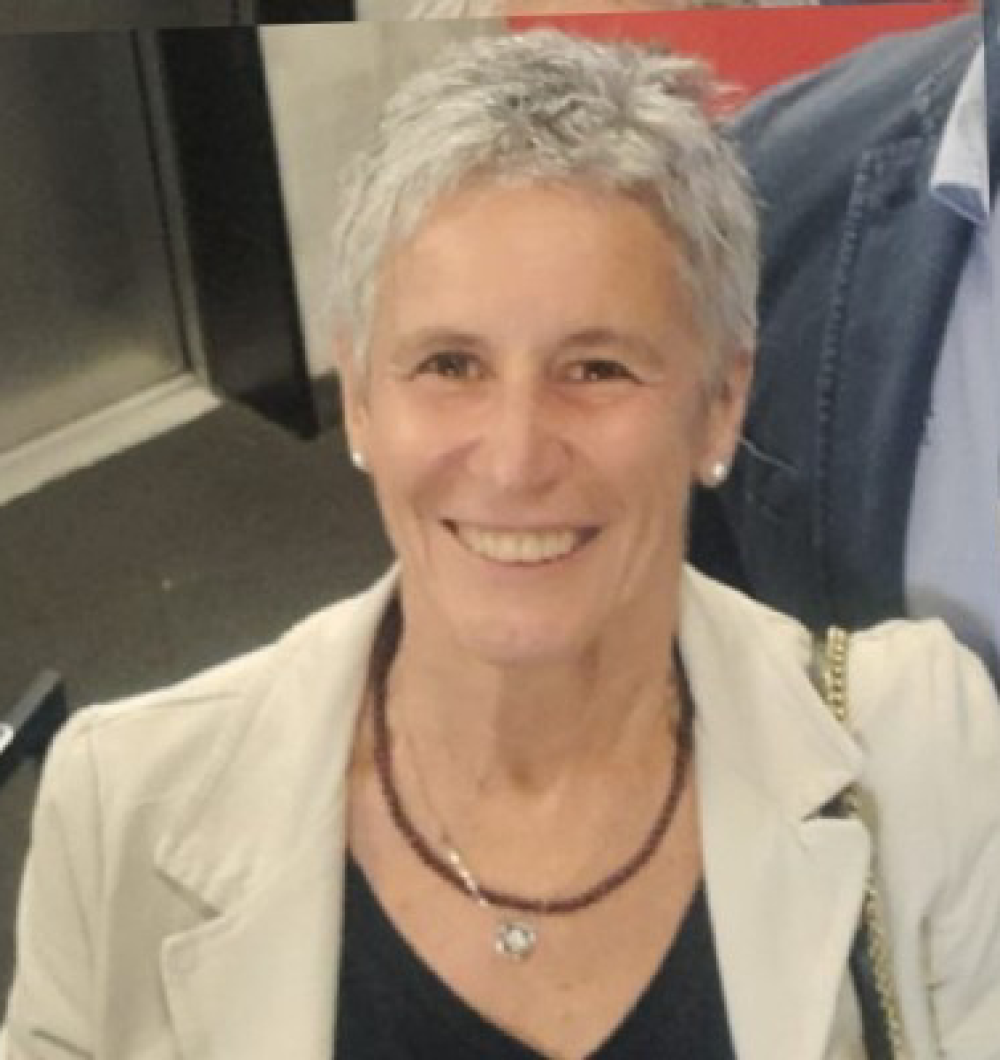
Letizia De Maria
Optical fibers for chemical and physical detection in power plants
Abstract
The first part of the paper discusses recent advancements in optical chemical sensing technologies based on polymer optical fibers (POFs) functionalized with synthetic receptors for the rapid and selective detection of furans, specifically 2-furaldehyde (2-FAL), in transformer insulating fluids, including mineral oils and natural esters. The presence of furanic compounds is a well-established indicator of cellulose paper degradation within transformer windings. With the increasing adoption of ester-based dielectric fluids—both natural and synthetic—as well as thermally upgraded Kraft paper in modern transformer designs, there is a growing need for improved diagnostic methodologies capable of tracking insulation aging under evolving operating conditions. Current laboratory-based chromatographic techniques do not enable continuous, real-time assessment of furan concentration and solid insulation health. To address this gap, the study introduces novel optical architectures with enhanced sensitivity, lower detection thresholds, and improved chemical selectivity, enabling in situ monitoring and more accurate evaluation of transformer aging processes. The second part focuses on structural monitoring through Brillouin scattering–based distributed optical fiber sensing (DOFS). By exploiting the sensitivity of the Brillouin frequency shift to strain and temperature variations, long lengths of optical fiber can act as continuous sensors along pylons and power cables. This enables distributed measurement of mechanical deformation, thermal loading, and dynamic strain under environmental stresses such as wind, ice accretion, and load fluctuations. Field deployments demonstrate the capability to detect localized anomalies, progressive structural fatigue, and excessive cable sag in real time. The integration of distributed Brillouin sensing with chemical diagnostics provides a comprehensive, multi-parameter monitoring framework, supporting predictive maintenance and enhancing the operational safety and longevity of high-voltage energy infrastructures. In addition, integral strain sensors based on polymer optical fibers represent a complementary and highly versatile solution for structural monitoring. Thanks to their high flexibility, large elastic strain range, and intrinsic immunity to electromagnetic interference, POF-based strain sensors are particularly suitable for integration within composite materials, transformer casings, and cable anchoring systems. Unlike point sensors, integral POF strain elements can be embedded or surface-bonded to monitor cumulative deformation over defined sections, providing early detection of micro-cracking, differential settlement, or mechanical overstress. Their lightweight and electrically insulating nature make them ideal for high-voltage environments where metallic gauges may be unsuitable. Furthermore, the capability to tailor POF sensitivity through material selection and geometric design enables adaptation to both low-strain and high-strain applications. Such sensors can support real-time structural diagnostics in substations, underground cable ducts, and renewable energy installations, contributing to smarter grid infrastructures and improved asset management strategies.
Keywords: optical fibre sensors, power transformer, chemical markers, insulating oil, Brillouin scattering, strain, temperature
Biography of the presenter
Letizia De Maria received the M.S. degree in physics from the University of Milan, Milan, Italy, in 1985. She started her activities at CISE S.p.A, Milan, Italy on research and development of coherent optical fiber sensors and spectroscopic techniques for industrial applications. Since 2000, she has been senior researcher at the Department of Technologies for Transmission and Distribution, RSE Research on Energetic System S.p.A. Milan, Italy. She was member of the Presidential Council of the Italian Society for Optics and Photonics (SIOF) from 2019 until 2024. She is member and secretary of the National Committee TC-10 “Insulating Fluids”, Member of CIGRE WG D.1.76 and of IEC TC10 maintenance team-MT36 and WG46. Her current research interests include sensors for diagnostic and monitoring of electrical equipment. On these subjects she collaborates with various universities and industries She authored or co-authored several scientific publications in international journals and IEEE conferences, three patents and two best paper innovation awards, in 2011- the ASME TURBO EXPO (Vancouver) and in 2017 at ICOLIM 2017 conference (Strasbourg).