

Nikola Tesla Institute
Msc. Ljubiša Čičkarić
Infrared Thermography as a Diagnostic Tool for Condition Assessment of Power Transformers
Abstract
Power transformers are critical components in electrical power systems, consisting of various subsystems that require consistent, non-destructive monitoring to ensure operational efficiency and prevent costly failures. Infrared thermography is a primary technique used for this purpose, allowing technicians to identify hotspots and thermal anomalies while the transformer remains under load and in service. The methodology focuses on several critical points: bushing, cooling system, transformer tank and tap changer. Defects on the transformer bushing are the most common causes of failure of power transformers. They arise due to the appearance of poor connection joints and insulation defects due to moisture penetration or low oil level (for the oil type). The cooling efficiency directly determines the lifetime of the transformer insulation. The most common causes of worsening cooling are clogged radiators and pipe systems, inadequate fan operation, overheating of oil pump bearings, etc. For power transformers, temperature measurement alone is not enough to conclude about the state of internal defects. It is necessary to observe the thermal profile of the entire object. A thermal map of a transformer tank can reveal complex internal problems. The appearance of local overheating (“hot spots”) on the tank walls may indicate problems with the magnetic core or the appearance of eddy currents due to stray fluxes. The tap changer (OLTC- On-Load Tap Changer) is a device for regulating the output voltage of the power transformer under load, in order to stabilize the voltage in the transmission or distribution network. Overheating of the tap changer transmission mechanism often indicates poor contacts or excessive switching frequency, which causes excessive sparking. In general, thermography reveals failures due to poor contacts in the power circuit and defects caused by moisture penetration and contamination, aging of the insulation system, changes in the geometry of the magnetic core and windings, and more. Paper presents examples of control of external connections of the transformer, inside the bushings, then, the magnetic core of the transformer, the transformer tank, assemblies and supporting equipment on the transformer, etc. The results of thermography are integrated into a complex analysis in order to reduce the operational risk, which, in addition to technical diagnostics, includes reliability theory and economic analysis. The goal is to move from traditional preventive maintenance (according to the calendar) to condition-based maintenance (CBM) and risk-based maintenance (RBM). Based on the results of diagnostic tests, monitoring and work history, a transformer health index is created. The risk assessment depends on the probability of failure and the consequences that follow after failure. The result of the analysis is the creation of a risk matrix that provides recommendations for specific activities. This approach has a direct effect on increasing the reliability of the electric power network, reducing the number of unplanned power interruptions and optimizing maintenance costs.
Keywords: Thermography, Power transformer, Thermal diagnostics, Health index, Risk matrix
Biography of the presenter
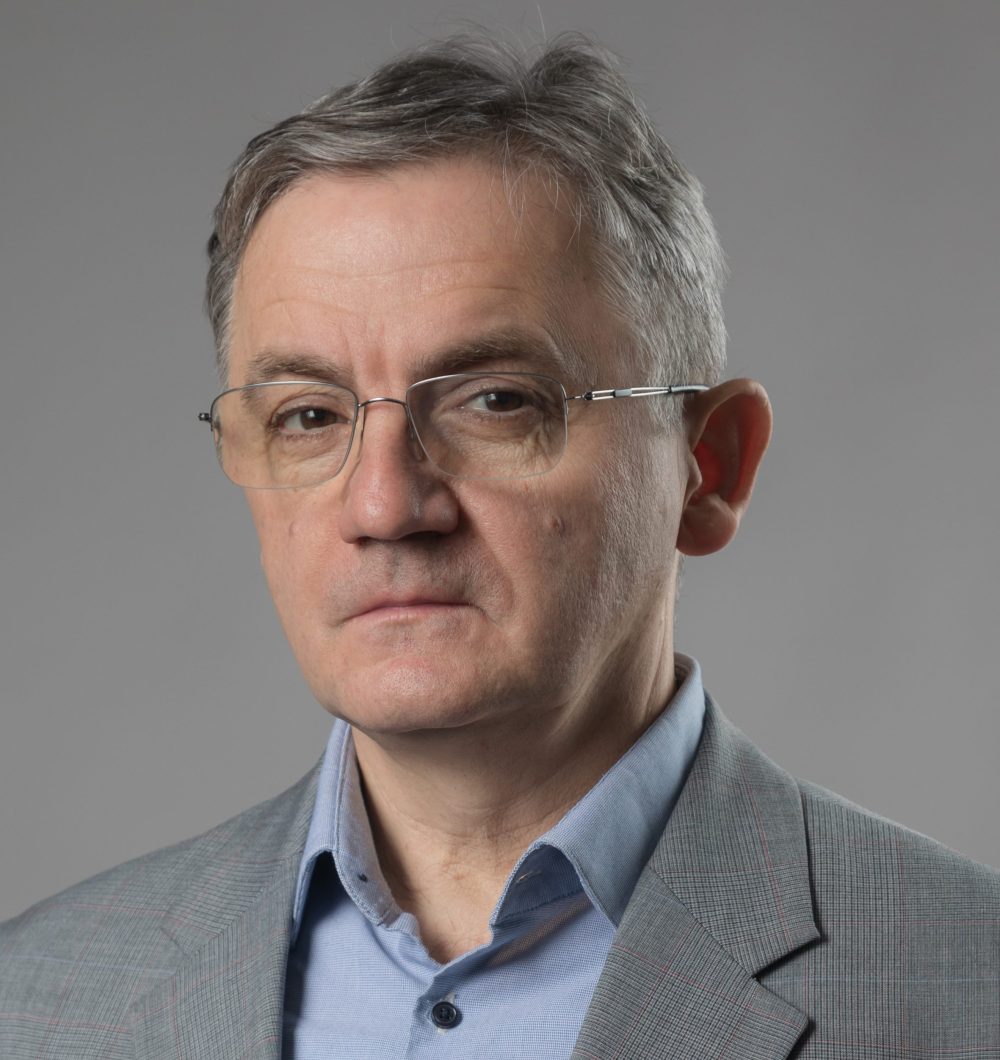
MSc Ljubiša Čičkarić graduated from the Faculty of Electrical Engineering at the University of Belgrade in 1986, where he also obtained a Master of Electrical Engineering degree in “Electric Power Plants and Equipment” in 2010. Since 1987, he has been employed at the Electrical Engineering Institute Nikola Tesla in Belgrade, where he currently works as an expert advisor. He worked on the development and implementation of thermographic methods of testing equipment in electrical installations of various voltage levels. Since 2015, he has been working as the head of a Specialized laboratory for testing electrical equipment, materials, protective equipment and safety, within the accredited laboratory of the Nikola Tesla Institute in Belgrade. He has experience in providing consultancy and supervision services, quality control and testing of power equipment of various voltage levels. He worked, for the needs of the electrical power industry, on the studies, technical recommendations and internal standards for the testing and control of power transformers, rotating electrical machines, power cables and other power equipment. He is an active member of CIGRE Serbia in several study committees. He is the author of numerous papers at international and domestic professional conferences, in monographs and magazines.