

Nikola Tesla Institute
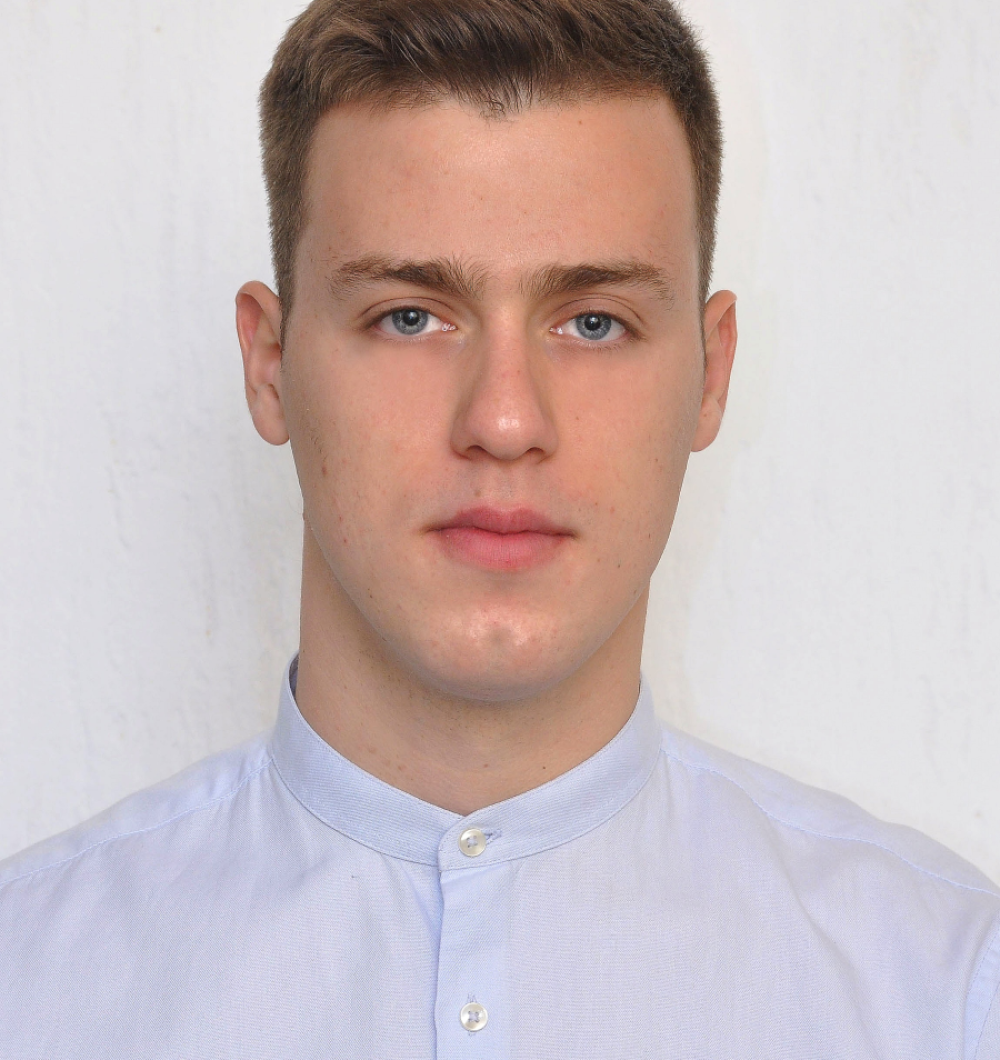
Nikola Kovačević
Increasing Solar Power Plant Energy Utilization Factor by Powering Electrolyzers and Green Hydrogen Production
Abstract
Green hydrogen is recognized as a significant factor in the energy transition and the decarbonization of the future power system. Its production involves the process of water electrolysis using electricity generated from renewable sources. The large amount of energy that solar power plants generate in the summer, combined with the system’s inability to absorb it, leads to unused surpluses. On the other hand, winter electricity shortages present a problem during periods of high consumption. Hydrogen has been identified specifically as an energy carrier that can enable system balancing, the creation of seasonal energy storage, and a solution for increasing the utilization of renewable energy. Battery systems represent an expensive investment and are most commonly used for daily energy storage. With the technological development of electrolyzers and their power converters, as well as hydrogen turbines and fuel cells, green hydrogen will become price-competitive not only as a transport fuel and industrial feedstock but also as an energy source for power re-generation.
Keywords:Solar power plants, Green hydrogen, Water electrolysis , System balancing, Power converters
Biography of the presenter
Nikola Kovačević was born in 1994 in Belgrade. He completed his Bachelor’s and Master’s studies at the School of Electrical Engineering, University of Belgrade, majoring in Electrical Power Engineering. He is a recipient of numerous awards and scholarships for outstanding academic achievement. Following his studies, he began his professional career in 2019 at the Nikola Tesla Institute in Belgrade, within the Center for Automation and Regulation. He currently holds the position of Technical Associate . During his tenure, he has participated in the design, manufacturing, and commissioning of specialized power electronic devices, excitation systems for large synchronous motors, rectifiers, medium-voltage switching automation systems, synchronization devices for synchronous generators, as well as power supply systems for electrolyzers and hydrogen production. Since 2019, he has been a PhD student at the School of Electrical Engineering in Belgrade, specializing in Power Converters and Drives. He is the author of several professional and scientific papers in the fields of power engineering and power electronics. He is a member of CIGRE Serbia and serves as the Secretary of Study Committee B4.