

Nikola Tesla Institute
Vladimir Polužanski
Monitoring of Wind Power Plant Generators
Abstract
This paper examines the key electrical equipment of wind power plants, with particular emphasis on the generator as one of the most critical and heavily loaded components of the electricity generation system. The generator represents the central element in the conversion of wind mechanical energy into electrical energy, and its reliability directly affects the efficiency, availability, and economic viability of wind farm operation. In this context, generator monitoring is presented as an integral part of the predictive maintenance concept, aimed at early fault detection, reduction of unplanned downtime, and optimization of maintenance costs throughout the entire lifecycle of the facility. The study analyzes advanced condition monitoring techniques that generate relevant data for further processing, statistical evaluation, and modeling. These include: (a) vibration measurement and analysis for detecting mechanical irregularities, rotor imbalance, and bearing damage; (b) oil residue measurement and analysis to monitor wear and identify the presence of metallic particles as indicators of internal faults; (c) temperature monitoring of windings, bearings, and cooling systems to assess overload conditions and insulation degradation; (d) stress measurement using strain gauges to evaluate mechanical loads on structural components; and (e) acoustic measurement and analysis for identifying operational anomalies and unusual sound patterns. Special emphasis is placed on the integration of these parameters into a unified system for continuous condition monitoring and decision support. The application of artificial intelligence in generator monitoring is also presented, including the use of machine learning algorithms, neural networks, and deep learning methods for pattern recognition, fault prediction, and automatic classification of equipment condition. Data-driven models based on large datasets improve diagnostic accuracy, reduce false alarms, and enhance condition-based maintenance strategies. Furthermore, the paper addresses cybersecurity aspects of wind power plant information and operational systems, including the protection of SCADA systems, communication protocols, and industrial control systems from potential cyber threats. The importance of implementing security standards, network segmentation, access control mechanisms, and continuous security monitoring is emphasized to ensure safe, reliable, and resilient operation as part of critical energy infrastructure. Finally, the economic justification for implementing advanced monitoring systems is analyzed through a cost–benefit perspective, highlighting reduced downtime and extended generator lifespan. The significance of data standardization, system interoperability, and integration within smart grid concepts is underscored in the context of sustainable development.
Keywords: wind farm, generator, monitoring, tracking techniques, artificial intelligence, cybersecurity
Biography of the presenter
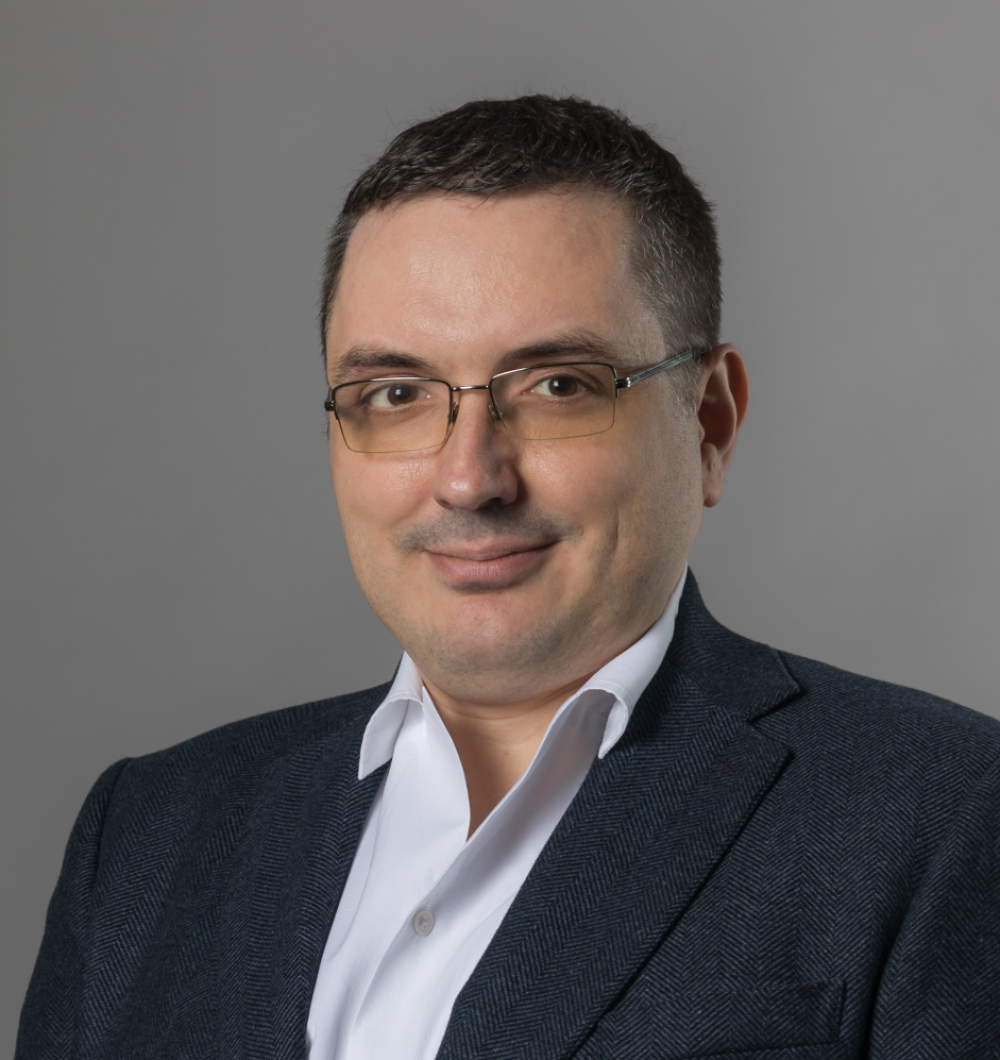
Dr. Vladimir Polužanski is the Head of the Office for Digitalization and AI Implementation at the Nikola Tesla Institute of Electrical Engineering JSC Belgrade, one of the leading research and development institutes in the field of electrical engineering in the region. He obtained his PhD in Artificial Intelligence at the School of Electrical Engineering, University of Belgrade, within the Software Engineering program. His work focuses on the application of advanced analytical methods and artificial intelligence in the energy sector, with a particular emphasis on the digitalization of power systems, predictive maintenance, and the development of digital twins. He is currently leading an R&D pilot project aimed at introducing a new concept of hydropower unit maintenance for EPS AD, implemented in collaboration with partners from the United States of America. He is certified as an ISO/IEC 27001:2022 auditor and is actively engaged in information security topics in the context of critical infrastructure. He also actively participates in the SAIGE project of the Ministry of Science, Technological Development and Innovation, implemented with the support of the World Bank and the European Union, aimed at strengthening capacities for innovation and technology transfer.