

Faculty of Organizational Sciences, University in Belgrade
Prof. dr. Dušan Barać
Predictive Maintenance of Hydro Units: A Data-Driven Approach
ABSTRACT
In modern power systems, hydropower plants play a crucial role. Considering their irreplaceable functions in providing fast system response, balancing variable energy sources, and integrating an increasing share of renewable energy, their importance is expected to continue growing in the future. The central element of every hydropower plant is the hydro unit, a complex electromechanical system comprising the generator, turbine, and auxiliary equipment, whose unplanned failures can lead to significant economic losses, reduced system reliability, and disruptions in electricity supply. In addition to direct losses, such failures may also cause secondary effects, including increased balancing costs and additional stress on other generation capacities. The development of modern information and communication technologies and advanced analytical methods represents a key prerequisite for the modernization of hydropower plant operation and the transition toward intelligent control and maintenance systems. The integration of diverse data sources, their centralization, and advanced processing enable a deeper understanding of system behavior and support real-time decision-making. Improving maintenance strategies for hydro units and associated equipment requires a transition from traditional approaches, based on periodic inspections or reactive maintenance, to more advanced concepts such as Condition-Based Maintenance (CBM). This approach relies on the analysis of large volumes of data collected from various sources, including SCADA systems, monitoring systems, dedicated sensors, and results of periodic testing, to continuously assess the current condition of the equipment (data-driven approach). This enables the timely identification of deviations from normal operation, early detection of degradation indicators, and data-driven decision-making for planning and executing maintenance activities, thereby reducing the risk of unplanned failures. A specific subset of CBM strategies is Predictive Maintenance (PdM), which utilizes advanced algorithms based on machine learning and artificial intelligence to forecast degradation trends and estimate the remaining useful life of hydro units. These models enable not only anomaly detection but also the prediction of potential failures before they occur, significantly reducing the risk of unplanned outages, increasing system availability, and optimizing overall maintenance costs. Within the poster session, the conceptual design and key functionalities of a dedicated predictive maintenance solution for hydro units (Ægir), developed by the US-based company Elder Research, will be presented. The Ægir platform enables advanced analytics, early diagnostics, and decision support in real-world operational environments. Based on previous experience with the application of the Ægir platform, its implementation is expected to contribute to increased reliability and availability of hydro units, as well as to the overall efficiency improvement of the power system.
Keywords: hydrogenerator, diagnostics, predictive maintenance, AI
Biography of the presenter
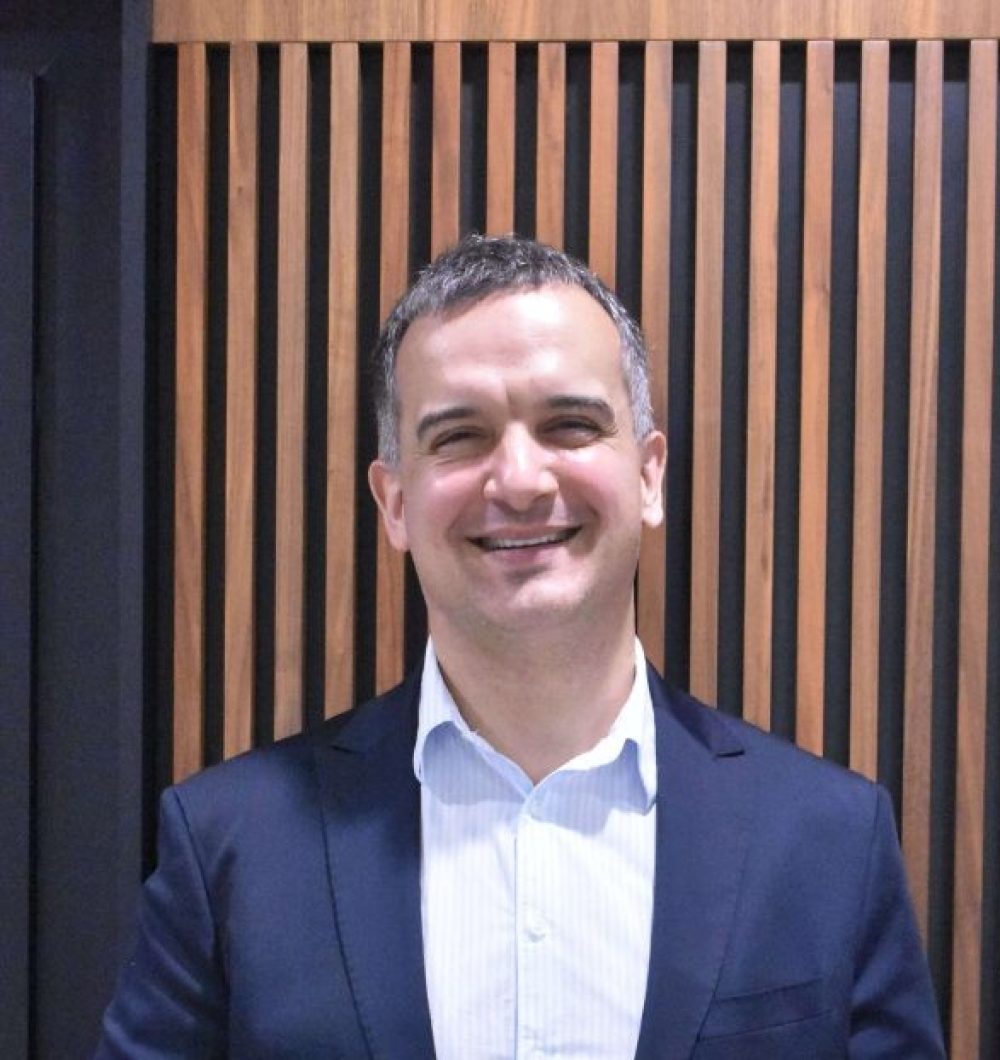
Full Professor at the University of Belgrade, Faculty of Organizational Sciences, Serbia, Vice-dean for corporate affairs and innovations dusan.barac@fon.bg.ac.rs Dusan Barac collaborated on numerous IT-related projects, both IT outsourcing and developing IT solutions, playing different roles from business consultant to software engineer. He has 17+ years of consultant experience in areas such as IT projects, building e-commerce and e-business solutions in general, digital transformation, CRM, web and mobile apps and services development, and establishing advanced e-learning systems. His main interests are digital transformation, e-commerce ecosystems, web and mobile development, IT project management, e-learning systems, and digital startups. He published a big number of papers, where 25+ are from leading international journals with an impact factor. With extensive experience in both academia and industry, I actively work on bridging theoretical knowledge and practical implementation through teaching, research, consulting, and collaboration with companies and institutions. My areas of interest include digital business ecosystems, e-commerce, mobile business, software architecture, and emerging technologies in modern digital environments. In addition to academic activities, I am involved in the development of innovative digital products and platforms, as well as in numerous international and industry-oriented projects aimed at advancing digital transformation and technological innovation.